Rabbit Coagulase Plasma — EDTA Formulation for S. aureus Identification
Standard tube and slide coagulase methods for qualitative detection of coagulase produced by S. aureus. EDTA anticoagulant avoids reactions caused by bacteria that utilise citrate. Follow IFU Rev. 2022.08.
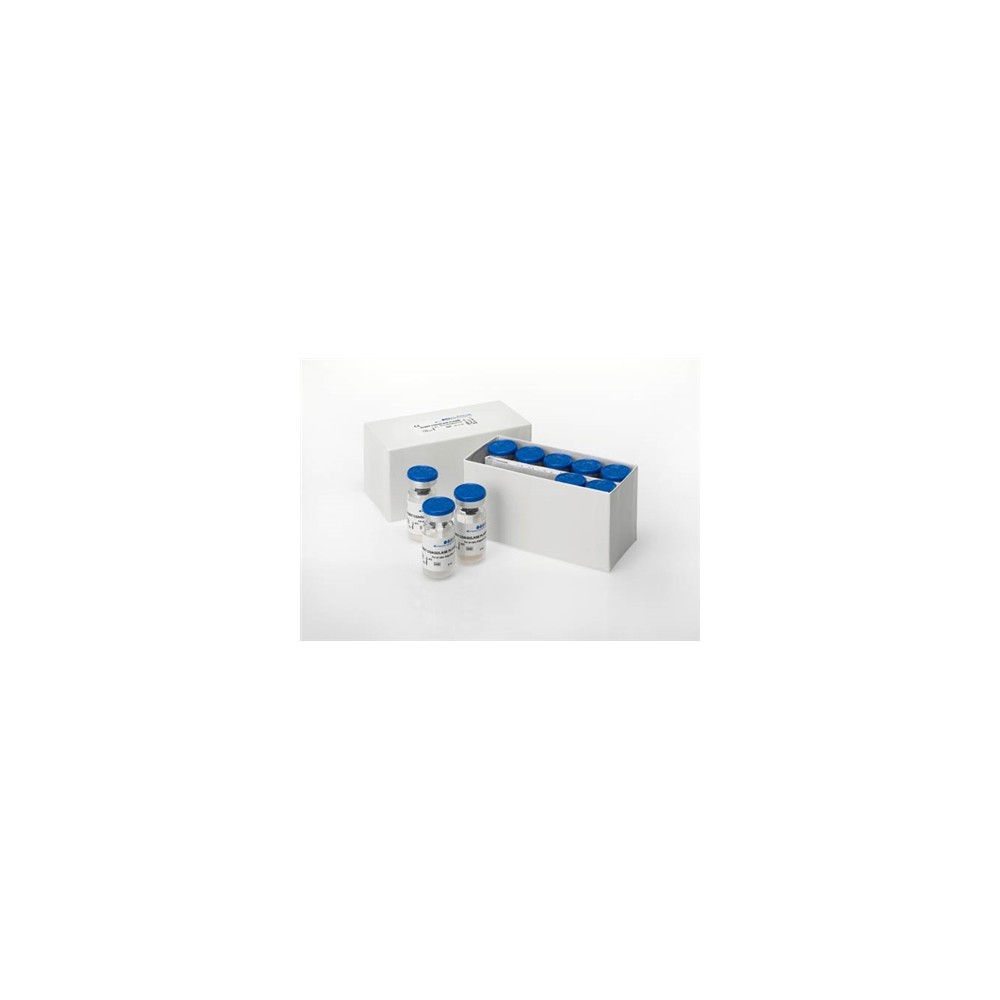
Entry Price
$46.60
Best $/Test
$1.70
Pack Sizes
4
Why Labs Choose Pro-Lab PL.850
Four reasons the EDTA-only formulation at direct pricing outperforms the commodity market.
No Citrate — No False Positives
EDTA is not metabolized by bacteria. Pseudomonas, Serratia, Enterococcus, and streptococci cannot clot EDTA plasma.
IFU Rev. 2022.08
Detects Both Free & Bound Coagulase
Tube test is the most accurate method — detects extracellular free coagulase and cell-wall bound coagulase (clumping factor).
IFU Rev. 2022.08; UK SMI TP 10i6 (Feb 2025)
Four Documented Pack Sizes
PL.850 is supplied as 10 × 3 mL, 10 mL, 20 mL and 30 mL presentations. Confirm current price and availability before ordering.
IFU Rev. 2022.08
No Instrument Required
Tube coagulase requires only a 37°C water bath or incubator — standard in every clinical microbiology lab. No analyzer needed.
IFU Rev. 2022.08
Built for Every Lab Role
Select your role to see what matters most.
Documented Tube and Slide Coagulase Testing
PL.850 is standardized lyophilized rabbit plasma with EDTA for qualitative detection of coagulase produced by S. aureus. Review IFU Rev. 2022.08 and validate the method in your laboratory.
Four pack sizes
10 × 3 mL, 10 mL, 20 mL and 30 mL presentations are listed in IFU Rev. 2022.08.
EDTA only
No citrate SKU in the catalog — no formulary confusion, no citrate false-positive risk [IFU Rev. 2022.08]
FDA Class I Exempt
21 CFR 866.2160 — compliant, no regulatory ambiguity, no 510(k) required [eCFR 21 CFR 866.2160]
One Formulation. No Citrate Confusion. Coagulase Plasma That Simplifies the Bench.
BD sells both EDTA and citrate coagulase plasma SKUs — labs have ordered the wrong one. Pro-Lab PL.850 is EDTA only: one formulation, one ordering decision. Four pack sizes from 10 mL single-vial to 10 × 3 mL multi-pack — right-size to your test volume and minimize expiry waste.
EDTA only
One formulation — no citrate/EDTA mix-up risk ever [IFU Rev. 2022.08]
4 pack sizes
10 mL, 20 mL, 30 mL single vials + 10 × 3 mL multi-pack — order only what you need [pro-lab-direct.com]
30-day frozen
Aliquot into 0.5 mL volumes, freeze at −20°C — 30-day stability (same as BD) [IFU Rev. 2022.08]
Tube Coagulase Results in 1–4 Hours — Clear Pass/Fail With Every Run
Pro-Lab PL.850 uses EDTA — no false-positive clot from contaminating organisms at the 18-hour mark. Reconstitute, add 2–4 colonies or 2 drops of broth culture, incubate at 37°C, and read every 30 minutes. Any degree of clotting within 24 hours is a positive. No clot is a negative.
Tube Test Quick Reference
- 1.Add 0.5 mL reconstituted plasma to test tube
- 2.Add 2 drops (~100 µL) broth culture or emulsify 2–4 colonies
- 3.Mix gently. Incubate at 37°C.
- 4.Check every 30 min for 4 h — tip tube gently to detect clot
- 5.If negative at 4 h: leave at room temp, read at 24 h
- 6.Positive: any clotting within 24 h | Negative: no clot
Source: IFU Rev. 2022.08, Procedure A
Published Pricing. Direct Orders. No RFQ, No Contract Required.
Every price is published on pro-lab-direct.com. Cold-ship, 2-day delivery. PO-based ordering available for facilities that require it.
| SKU | Pack Size | List Price | Best For |
|---|---|---|---|
| PL.850-10 | 10 mL single vial | $46.60 | POLs, low-volume labs |
| PL.850-20 | 20 mL single vial | $82.78 | Mid-volume labs |
| PL.850-30 | 30 mL single vial | $102.22 | High-volume labs — $1.70/test |
| PL.850-3 | 10 × 3 mL vials | $169.33 | Single-use vials, minimal waste |
All prices from pro-lab-direct.com — verified April 2026. Net-30 terms available for qualifying accounts.
Accurate S. aureus Identification Starts With the Right Coagulase Test
Every MRSA BSI entered into NHSN starts with a confirmed organism identification in your microbiology lab. The tube coagulase test — detecting both free and bound coagulase — is the primary phenotypic confirmation method for S. aureus in labs without MALDI-ToF. Pro-Lab PL.850 uses EDTA anticoagulant, eliminating false positives from contaminating organisms that can mask a true negative.
97%
of S. aureus strains are coagulase positive — coagulase detection is the validated primary identification criterion [StatPearls NBK441868]
>70,000
severe MRSA infections annually in the US — accurate S. aureus ID is the first step in the surveillance chain [CDC via StatPearls NBK441868]
NHSN
MRSA BSI reporting requires confirmed organism identification — coagulase result is part of the documentation chain [CDC NHSN surveillance definitions]
Share this page with your microbiology lab director to discuss coagulase plasma selection.
Organisms & Use Cases
Staphylococcus aureus — Primary Target
The leading cause of healthcare-associated bloodstream infections. Rabbit Coagulase Plasma identifies S. aureus by detecting the coagulase enzyme via tube (free + bound) and slide (bound only) tests. Consistent with IDSA/ASM 2024 guidance for S. aureus identification.
Differentiation From CoNS
Differentiates coagulase-positive S. aureus from coagulase-negative staphylococci (CoNS):
- • S. epidermidis — coagulase-negative; common CoNS in hospital settings
- • S. saprophyticus — coagulase-negative; common UTI pathogen in young women
- • S. haemolyticus, S. lugdunensis — coagulase-negative (note: S. lugdunensis may give positive slide coagulase — tube test required)
Clinical Settings
- • Bacteremia / BSI — blood culture isolate identification
- • Wound infection / SSTI — wound culture organism ID
- • MRSA surveillance — coagulase-positive result precedes MRSA confirmation
- • HAI surveillance — NHSN S. aureus BSI reporting
- • Physician office labs — outpatient wound culture workup
How the Tests Work
Tube Coagulase Test
Detects both free coagulase (extracellular enzyme) and bound coagulase (clumping factor). 37°C incubation up to 4 hours with final read at 24 h. Most accurate method — required to confirm all negative slide results.
Source: IFU Rev. 2022.08, Principle section
Slide Test — Rapid Screen
Detects bound coagulase only. Results in under 1 minute. Less accurate — all negative results must be confirmed by tube test. Invalid if auto-agglutination present.
Source: IFU Rev. 2022.08, Procedure B
Why EDTA Matters
"EDTA is not utilised by bacteria, thus will not cause false positive coagulase reactions by bacteria that utilise citrate." BD BBL sells both EDTA and citrate SKUs — labs that order the wrong one get false positives from contaminating organisms on 18–24 h incubation.
Source: IFU Rev. 2022.08, Principle of the Test — verbatim
Four Pack Sizes — One for Every Lab Volume
All SKUs use EDTA anticoagulant. All ship cold 2-day. All prices published — no RFQ.
10 mL Single Vial
~20 tube coagulase tests. Best entry point for low-volume labs and POLs.
20 mL Single Vial
~40 tube coagulase tests. Mid-volume labs running coagulase weekly.
30 mL Single Vial
~60 tube coagulase tests at $1.70/test — lowest cost-per-test in class. High-volume labs.
10 × 3 mL Multi-Vials
~60 tube tests, single-use vials. Minimizes waste for low-to-mid volume labs — open one at a time.
Complete the S. aureus Identification Workflow
Pair Rabbit Coagulase Plasma with Pro-Lab's rapid latex screen for a full identification workflow.
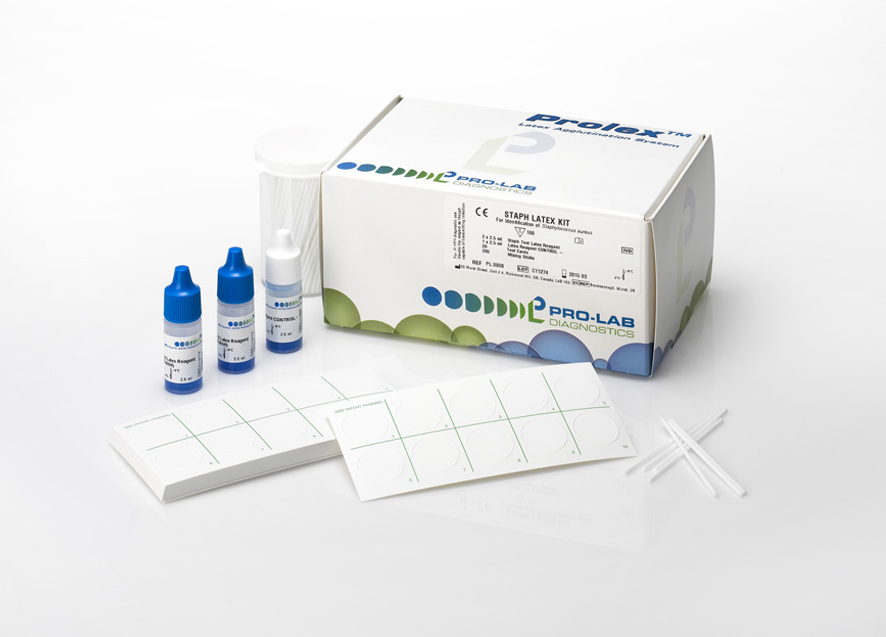
Prolex™ Staph Latex Kit
PL.080B · $136.80 (100 tests)
Rapid latex agglutination screen for S. aureus — use with tube coagulase for complete identification: screen with latex, confirm equivocal results with coagulase plasma.
Prolex™ Staph Xtra Latex Kit
PL.1081 · $487.42 (300 tests)
Rapid screen for S. aureus AND MRSA using 4-component CMMP technology. 100% sensitivity in independent bacteraemia study (PMID 34958065). Tube coagulase for confirmation.
People Also Purchased
Complete your S. aureus and MRSA identification workflow with these Pro-Lab products.
PL.080B / PL.1081
Prolex™ Staph Latex Kits
Rapid latex screen for S. aureus and MRSA — run before coagulase confirmation as the first-pass identification step.
View Staph Kit →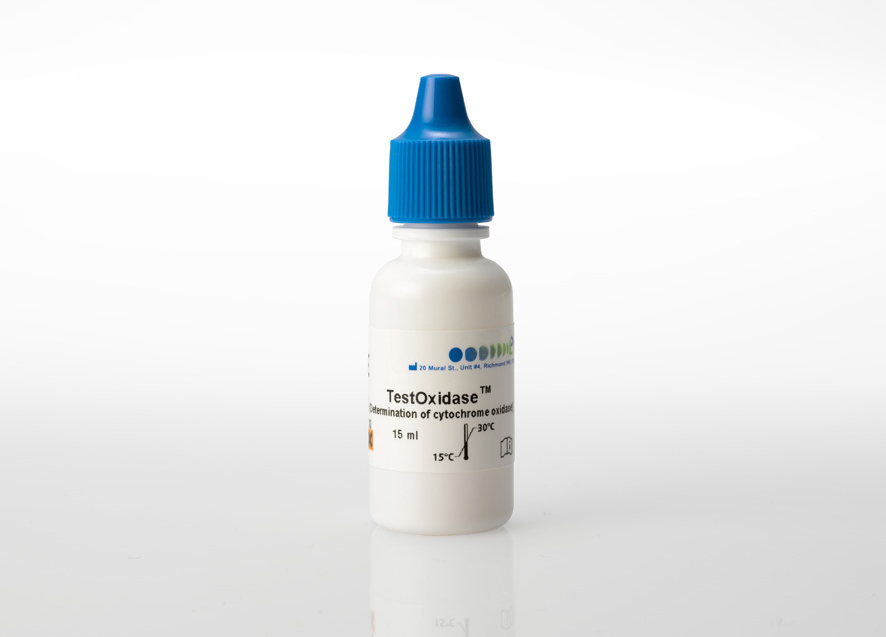
PL.390
TestOxidase™ Cytochrome Oxidase Reagent
Oxidase spot test used in the gram-positive identification workflow alongside coagulase testing.
View TestOxidase™ →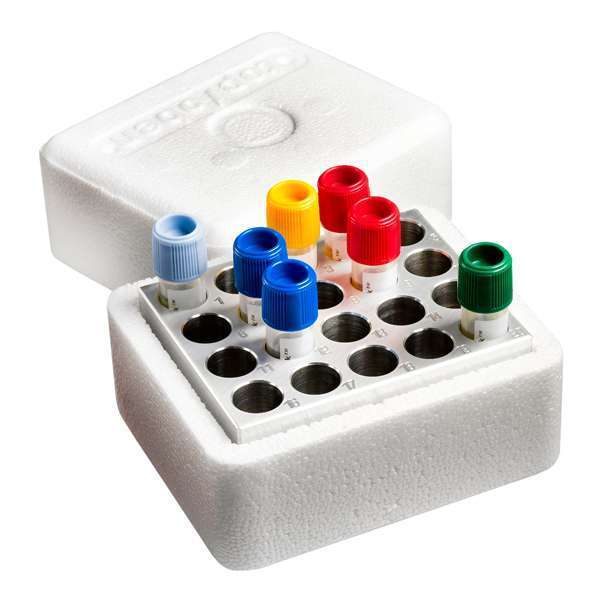
PL.170C-Series
Microbank® Microbial Preservation System
Store confirmed S. aureus and MRSA isolates long-term — cryopreservation beads maintain viability for QC reference cultures.
View Microbank® →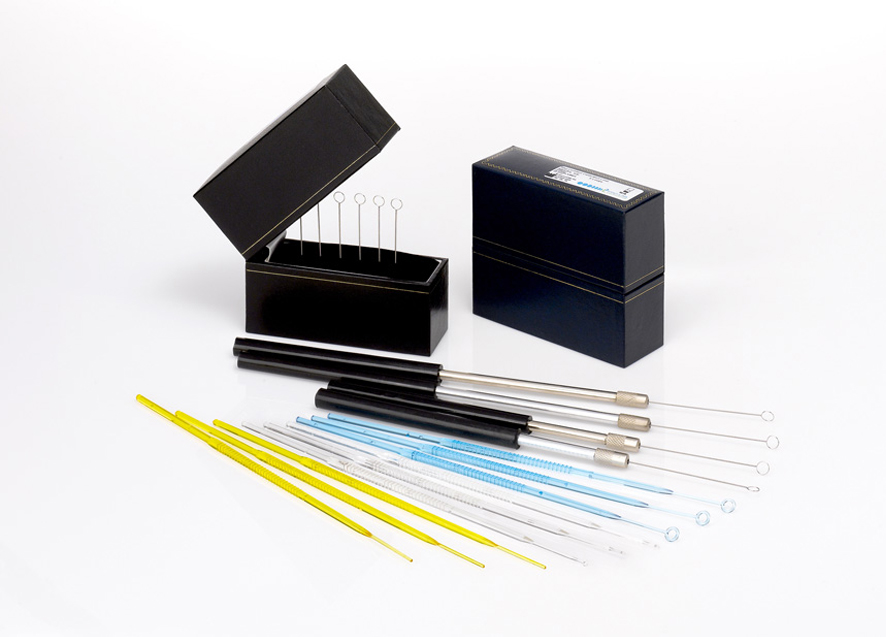
PLD001 / PLD010
Pro-Loops™ Calibrated Inoculation Loops
Sterile single-use plastic loops for colony transfer — used for both staph latex and coagulase testing at the bench.
View Pro-Loops™ →Full Specifications
All values from IFU Rev. 2022.08 and regulatory sources.
| Specification | Value | Source |
|---|---|---|
| Catalog Numbers | PL.850-3 / PL.850-10 / PL.850-20 / PL.850-30 | IFU Rev. 2022.08 |
| Intended Use | Qualitative detection of coagulase enzyme produced by Staphylococcus aureus | IFU Rev. 2022.08 — verbatim |
| Format | Lyophilized (freeze-dried) rabbit plasma | IFU Rev. 2022.08 |
| Anticoagulant | EDTA (not citrate) | IFU Rev. 2022.08 — Principle section |
| Test Types | Tube coagulase + slide coagulase | IFU Rev. 2022.08 |
| Specimen Type | Pure culture isolate — Gram-positive cocci, catalase-positive | IFU Rev. 2022.08 — Specimen Preparation |
| Result Time (tube) | Positive possible within 1 h; read every 30 min; final negative at 24 h | IFU Rev. 2022.08 — Procedure A |
| Result Time (slide) | Within 1 minute | IFU Rev. 2022.08 — Procedure B |
| Controls Included | No — must source separately (Pro-cult® range recommended) | IFU Rev. 2022.08 — QC Procedure |
| QC Organisms | Positive: S. aureus ATCC 25923, ATCC 9144 · Negative: S. epidermidis ATCC 12228 | IFU Rev. 2022.08 — QC Procedure |
| Instrument Required | None (water bath or incubator at 37°C) | IFU Rev. 2022.08 — Materials Required |
| Storage (unopened) | 2–8°C — cold ship required | IFU Rev. 2022.08 — Storage |
| Reconstituted (fridge) | 5 days at 2–8°C | IFU Rev. 2022.08 — Storage |
| Reconstituted (frozen) | 30 days at −20°C (0.5 mL aliquots — do not refreeze) | IFU Rev. 2022.08 — Storage |
| Hazard Classification | Non-hazardous — no hazardous chemical components | SDS — pro-lab.com |
| FDA Classification | Class I — 21 CFR 866.2160 — exempt from 510(k) | eCFR 21 CFR 866.2160 |
| CE Marked | Yes — IVD Directive (EC REP: Advena Ltd., Malta) | IFU Rev. 2022.08 |
| Shipping | Cold ship — 2-day delivery required | pro-lab-direct.com |
Frequently Asked Questions
What is Rabbit Coagulase Plasma used for?
Rabbit Coagulase Plasma is used to identify Staphylococcus aureus by detecting the coagulase enzyme it produces. When a pure culture isolate of a Gram-positive, catalase-positive coccus is added to reconstituted rabbit plasma, clot formation within 24 hours confirms S. aureus. [Source: IFU Rev. 2022.08, Intended Use]
Why does Pro-Lab use EDTA instead of citrate?
EDTA is not metabolized by bacteria, so citrate-utilizing organisms — Pseudomonas spp., Serratia marcescens, Enterococcus faecalis, and streptococci — cannot clot EDTA plasma. Citrate-formulated plasma (like BD BBL 240658/240661) can yield false-positive results when contaminating citrate-metabolizing organisms are present on extended 18–24-hour incubation. [Source: IFU Rev. 2022.08, Principle of the Test — verbatim]
What is the difference between the tube and slide coagulase test?
The tube test detects both free coagulase (extracellular enzyme) and bound coagulase (clumping factor) — the most accurate method. All negative slide results must be confirmed by tube test. The slide test detects bound coagulase only, provides results in under 1 minute, but is less accurate and may produce invalid results with auto-agglutinating strains. [Source: IFU Rev. 2022.08, Principle section; UK SMI TP 10i6, Feb 2025]
How long does reconstituted Rabbit Coagulase Plasma last?
Reconstituted plasma is stable for 5 days at 2–8°C. For longer storage, aliquot into 0.5 mL volumes and freeze promptly at −20°C — stable up to 30 days, not exceeding the expiry date on the product label. Do not thaw and refreeze. Note: BD BBL reconstituted stability is 14 days refrigerated. For high-volume labs, the freeze-aliquot approach bridges this gap. [Source: IFU Rev. 2022.08, Stability and Storage]
Does this product require any special equipment?
No special instrument or analyzer is required. The tube coagulase test needs only a water bath or incubator at 37°C — standard equipment in all clinical microbiology labs. The slide test requires glass slides and an inoculating loop only. [Source: IFU Rev. 2022.08, Materials Required]
What QC organisms are required?
The IFU requires: Positive controls — S. aureus NCTC 12981 / ATCC 25923 and S. aureus NCTC 6571 / ATCC 9144 (both must produce clot in tube test and clumping in slide test). Negative control — S. epidermidis NCTC 11360 / ATCC 12228 (must produce no clot, no clump). Controls must be run in parallel with each test batch. Pro-cult® range recommended as QC strain source. [Source: IFU Rev. 2022.08, Quality Control Procedure]
Can this product identify organisms other than Staphylococcus?
No. Rabbit Coagulase Plasma is intended for qualitative detection of coagulase produced by Staphylococcus aureus only. It is not validated for other genera. Note: some non-aureus species may produce false-positive slide results — S. lugdunensis, for example, may give a positive slide coagulase reaction. All equivocal or unexpected positives require tube test confirmation. [Source: IFU Rev. 2022.08, Intended Use; Limitations section]
Is Rabbit Coagulase Plasma FDA cleared?
Coagulase Plasma is classified as a Class I device under 21 CFR 866.2160 and is exempt from premarket notification (510(k)) under 21 CFR Part 807, subpart E. No 510(k) number exists for this product — Class I exemption is the standard regulatory pathway for all coagulase plasma products. Product Code: JTL. [Source: eCFR 21 CFR 866.2160]
Ready to Order Coagulase Plasma at $1.70/Test?
EDTA formulation. Published direct prices. Four pack sizes. Ships cold next business day.
Cold ship 2-day · Georgetown, Texas · For in vitro diagnostic use only